Teacup Audio Archive refers to a comprehensive digital collection of audio works produced by the creator Teacup Audio , primarily known for ASMR and roleplay content. Internet Archive Archive Location and Features
The archive is currently organized into four major collections:
Sample Content:
In the realm of audio archives, few collections have garnered as much attention and admiration as the Teacup Audio Archive. This remarkable repository of sound recordings has been delighting audiophiles, music enthusiasts, and curiosity seekers alike with its vast and eclectic assortment of audio treasures. As a devoted chronicler of the aural arts, the Teacup Audio Archive has established itself as a premier destination for those seeking to explore the fascinating world of sound.
based in South Jakarta, the term "Teacup Archive" evokes a specialized collection of "bite-sized" or high-quality audio recordings designed for focused listening.
Note that "Teacup" is also associated with classic literary recordings, such as "The Teacup Club" by Elisa Armstrong, which is available as a LibriVox recording on the Internet Archive. AI responses may include mistakes. Learn more The Teacup Club : Elisa Armstrong - Internet Archive
At its core, the Teacup Audio Archive functions as an open-access repository for field recordings, oral histories, and found sounds. The name itself—Teacup—serves as a metaphor for the project’s philosophy: contained, delicate, and deeply personal. While traditional archives might focus on grand political speeches or monumental musical performances, this project finds its soul in the rattle of a silver spoon against porcelain, the rhythmic creak of a floorboard in an ancestral home, or the hushed whispers of a bedtime story told in a fading dialect.
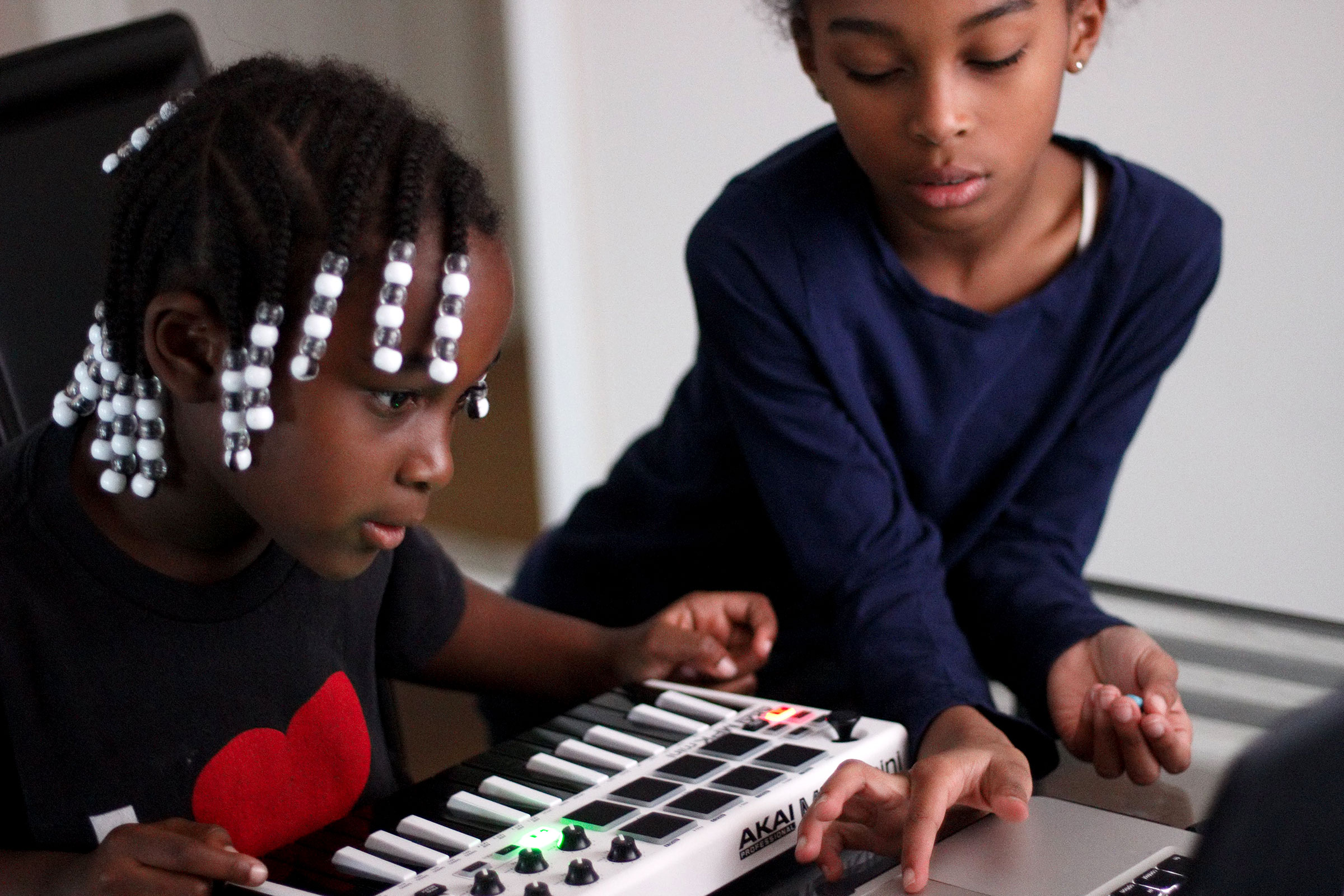
Kids learn best when they’re engaged. Melodics™ makes it easy.
We understand how hard it is to make practice a habit.
Practice goals, streaks, rewards & challenges – Melodics is practice your kids will actually want to do.
Teacup Audio Archive refers to a comprehensive digital collection of audio works produced by the creator Teacup Audio , primarily known for ASMR and roleplay content. Internet Archive Archive Location and Features
The archive is currently organized into four major collections: Teacup Audio Archive
Sample Content:
In the realm of audio archives, few collections have garnered as much attention and admiration as the Teacup Audio Archive. This remarkable repository of sound recordings has been delighting audiophiles, music enthusiasts, and curiosity seekers alike with its vast and eclectic assortment of audio treasures. As a devoted chronicler of the aural arts, the Teacup Audio Archive has established itself as a premier destination for those seeking to explore the fascinating world of sound. Teacup Audio Archive refers to a comprehensive digital
based in South Jakarta, the term "Teacup Archive" evokes a specialized collection of "bite-sized" or high-quality audio recordings designed for focused listening. Minimal piano or plucked strings
Note that "Teacup" is also associated with classic literary recordings, such as "The Teacup Club" by Elisa Armstrong, which is available as a LibriVox recording on the Internet Archive. AI responses may include mistakes. Learn more The Teacup Club : Elisa Armstrong - Internet Archive
At its core, the Teacup Audio Archive functions as an open-access repository for field recordings, oral histories, and found sounds. The name itself—Teacup—serves as a metaphor for the project’s philosophy: contained, delicate, and deeply personal. While traditional archives might focus on grand political speeches or monumental musical performances, this project finds its soul in the rattle of a silver spoon against porcelain, the rhythmic creak of a floorboard in an ancestral home, or the hushed whispers of a bedtime story told in a fading dialect.
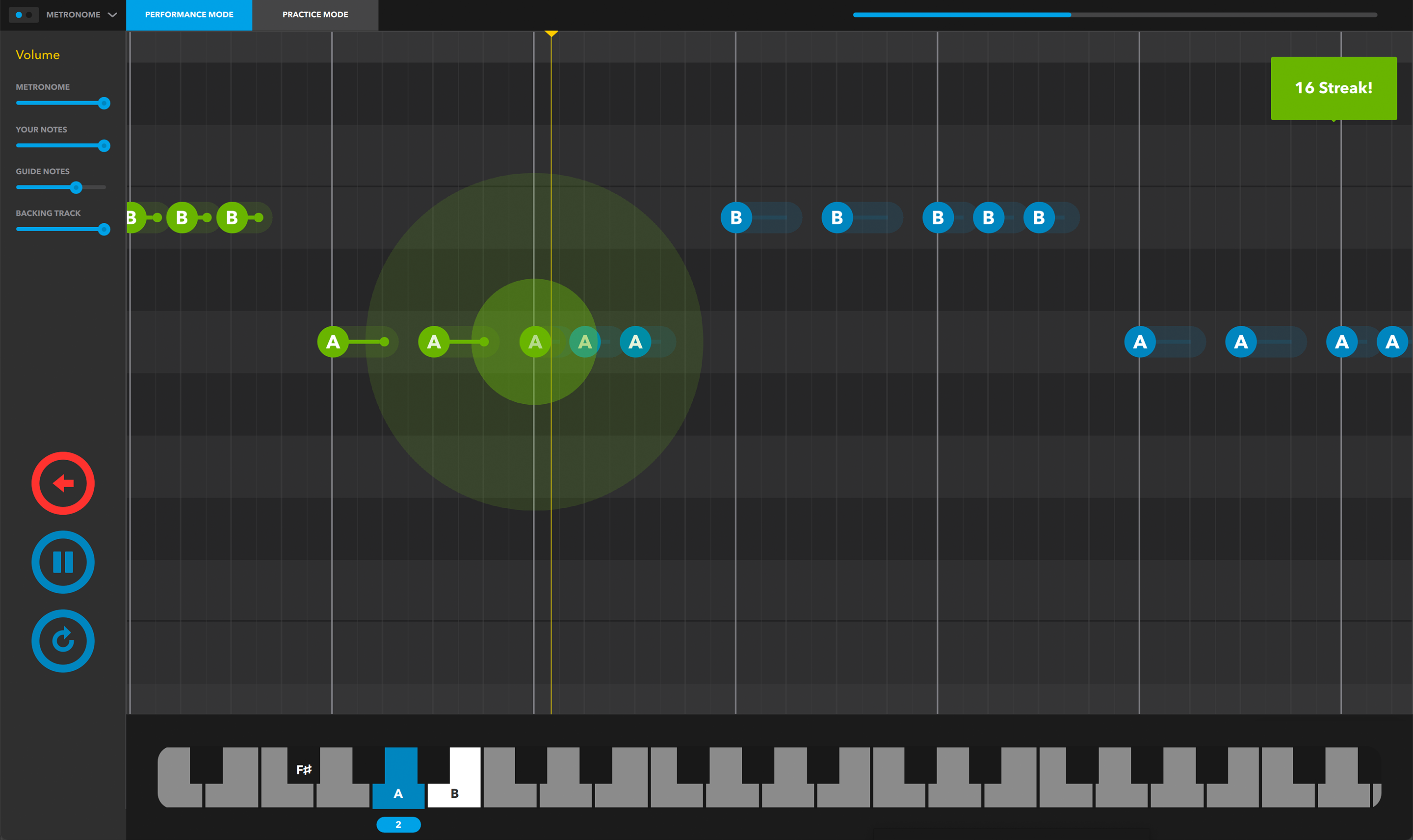
Melodics is the best way to learn to play your music.
Music lessons are traditionally boring, expensive and time consuming.
Learning music with Melodics is relevant, addictive, rewarding, and most of all FUN.
Just 5 minutes a day is all your kids need to start making progress.
Melodics can help students develop an active and confident relationship with music. – Rodi Kirk, Melodics head of education
Melodics works on iPhone, iPad, Mac & Windows PC.
Yes. The majority of music in Melodics is instrumental, and of the small amount that include lyrics there is no profanity or inappropriate themes.
No, all instruments are playable using your computer keyboard (with some restrictions), but your kids will get a lot more out of Melodics if you do have access to hardware. Melodics supports learning with MIDI keyboards, MIDI pad controllers, and electronic drums.
No. Meldoics connects to the internet to save progress & download new lesson content, but there is no interaction between users.
An email address is required to setup a Melodics account – we suggest you set up the account using yours. There is messaging within the app, and that is rule-based, vetted, and designed to encourage & support the users learning. There is no live chat in Melodics.
It’s both! We have an accomplished in-house music team with education backgrounds authoring our content, as well as collaborating with artists & educators from around the world. Melodics often feels like a game, because the best way to improve your musical skills is to practice, and the best way to stick with practice is to make it fun!
We have an extensive list of FAQs available on our support page, or feel free to get in touch with us.
Lesson title here
You can play it with your computer keyboard, but it is a much better experience with access to a MIDI keyboard, pad controller, or MIDI drum kit.
These MIDI devices are connected: