


For decades, the fields of veterinary medicine and animal behavior existed in relative isolation. Veterinarians focused on physiology, pathology, and pharmacology—the tangible mechanics of the animal body. Ethologists and behaviorists focused on observable actions, instinct, and learning theory. However, in the modern era of comprehensive animal care, a seismic shift has occurred. Today, the most progressive veterinary practices recognize that animal behavior and veterinary science are not separate disciplines but two halves of a single, essential whole.
You can use this as a reference, a study guide, or a foundational template for further research. xnxx zoofilia solo sexo con perros repack
The Rise of Animal Welfare Science: This field, which emerged from veterinary medicine, now uses objective behavioral indicators to improve the quality of life for animals in various settings, including farms, laboratories, and homes. Clinical Applications and Veterinary Practice Bridging the Gap: The Critical Intersection of Animal
Sudden Personality Shifts: Once pets reach social maturity (about 2 years for cats, 3 for dogs), their personalities are usually stable. A sudden change—like an affectionate pet becoming aggressive—is a major "red flag" that an underlying illness or pain might be brewing. Innate Behavior : instinctual
Counter-Conditioning: Changing an animal’s emotional response to a trigger from negative to positive (e.g., pairing the sight of a stranger with high-value food). 🔮 The Future of Veterinary Ethology
Students in these fields study a rigorous curriculum including genetics, microbiology, nutrition, and physiology. Career opportunities include:
: Learning through associations (classical) or consequences (operant), essential for training.
For decades, the fields of veterinary medicine and animal behavior existed in relative isolation. Veterinarians focused on physiology, pathology, and pharmacology—the tangible mechanics of the animal body. Ethologists and behaviorists focused on observable actions, instinct, and learning theory. However, in the modern era of comprehensive animal care, a seismic shift has occurred. Today, the most progressive veterinary practices recognize that animal behavior and veterinary science are not separate disciplines but two halves of a single, essential whole.
You can use this as a reference, a study guide, or a foundational template for further research.
The Rise of Animal Welfare Science: This field, which emerged from veterinary medicine, now uses objective behavioral indicators to improve the quality of life for animals in various settings, including farms, laboratories, and homes. Clinical Applications and Veterinary Practice
Sudden Personality Shifts: Once pets reach social maturity (about 2 years for cats, 3 for dogs), their personalities are usually stable. A sudden change—like an affectionate pet becoming aggressive—is a major "red flag" that an underlying illness or pain might be brewing.
Counter-Conditioning: Changing an animal’s emotional response to a trigger from negative to positive (e.g., pairing the sight of a stranger with high-value food). 🔮 The Future of Veterinary Ethology
Students in these fields study a rigorous curriculum including genetics, microbiology, nutrition, and physiology. Career opportunities include:
: Learning through associations (classical) or consequences (operant), essential for training.
 |
Music Converter also includes CD Ripping abilities, from the inventors of AccurateRip, rip once, rip right. |
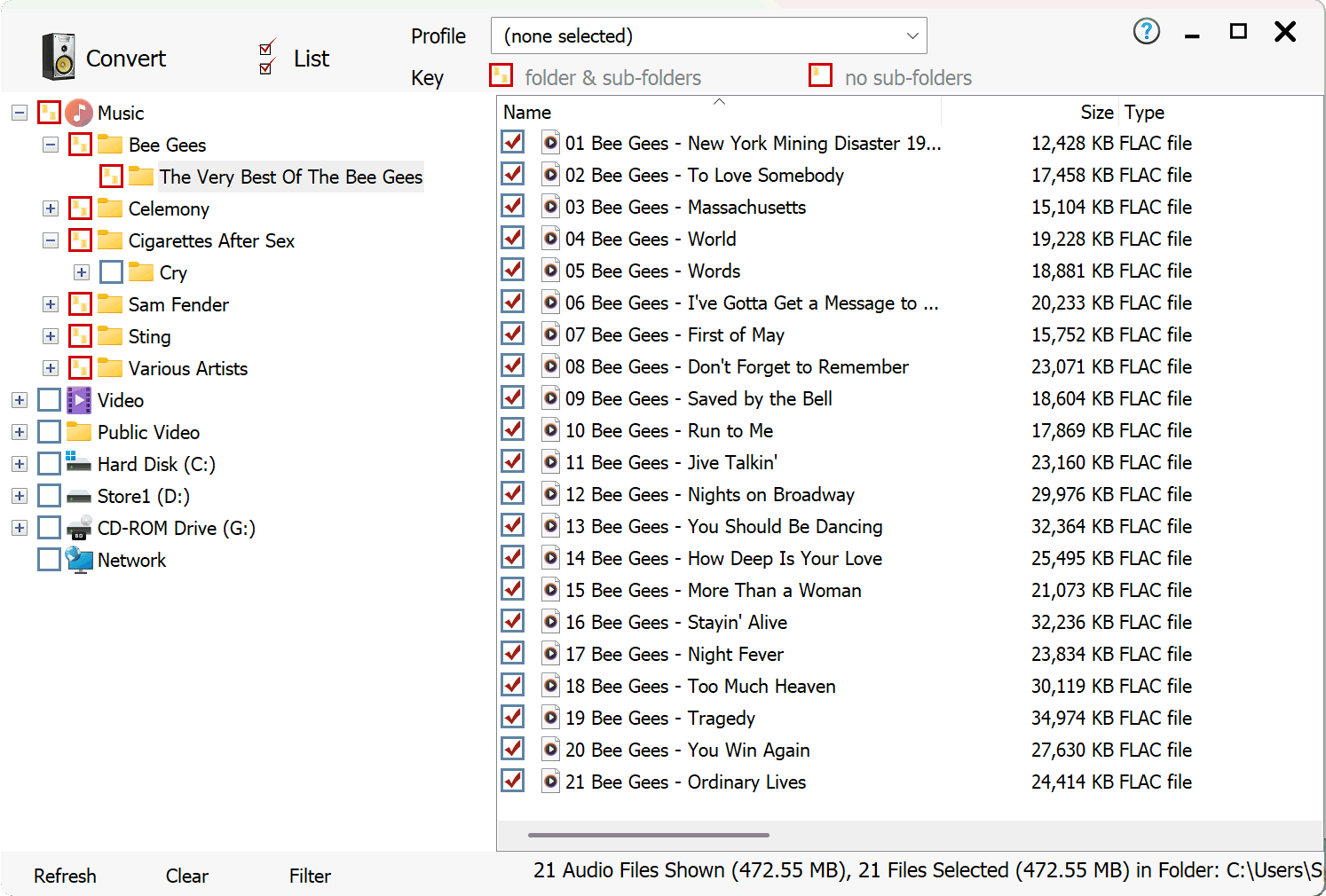 |
Lots of files to convert?
|
|
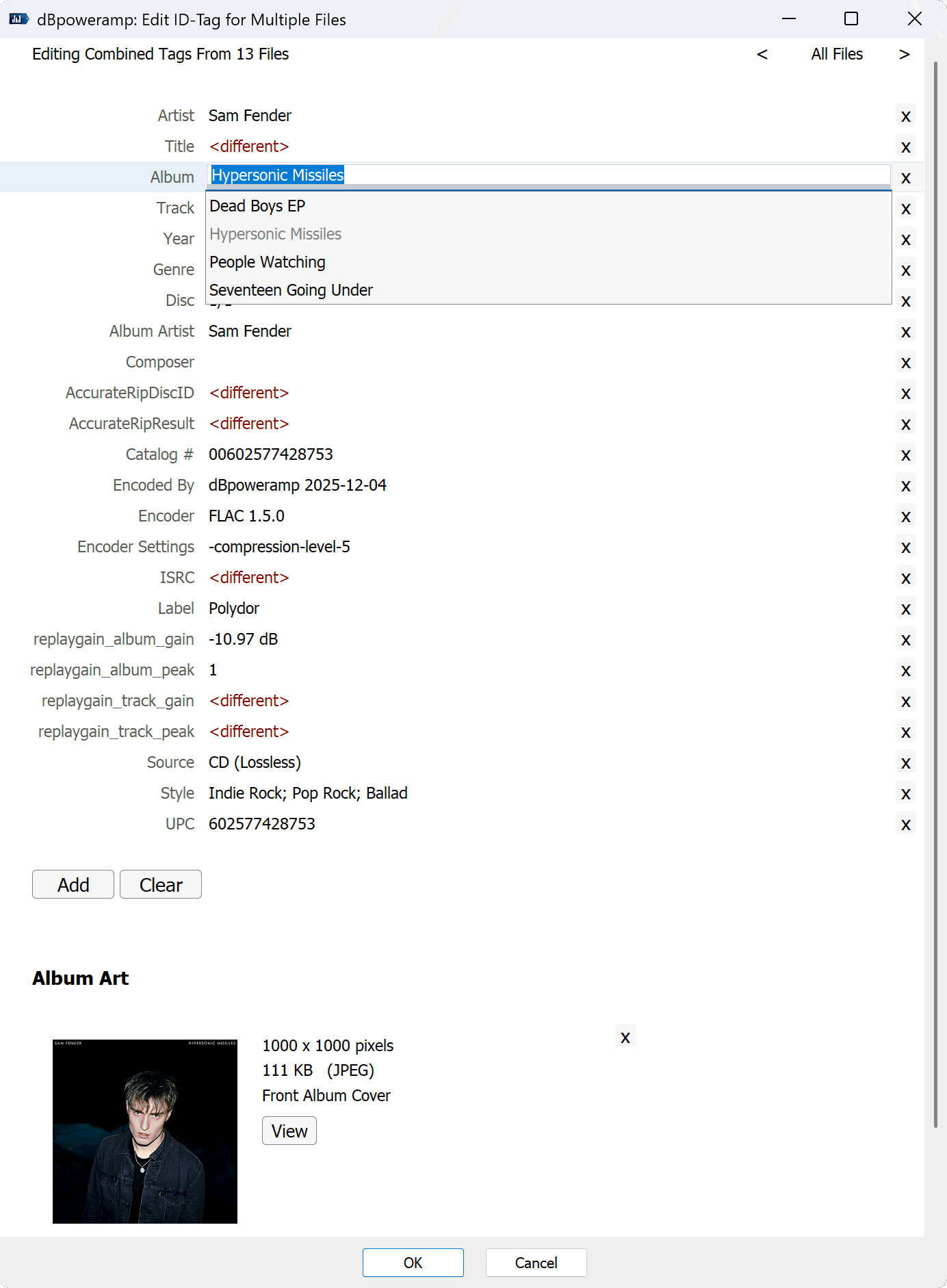
dBpoweramp's tag editor is integrated into Windows Explorer / macOS Finder
|  |


Copyright © illustrate 2026, All Rights Reserved