
Our mobile app lets you access your galleries, share your work and post to social media on-the-go.




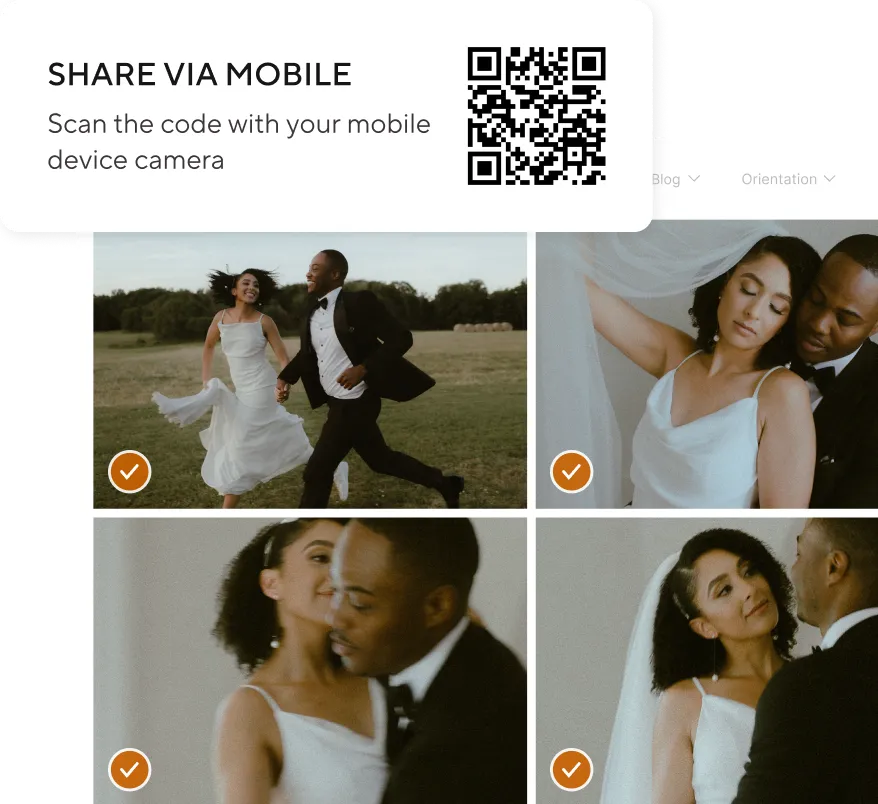
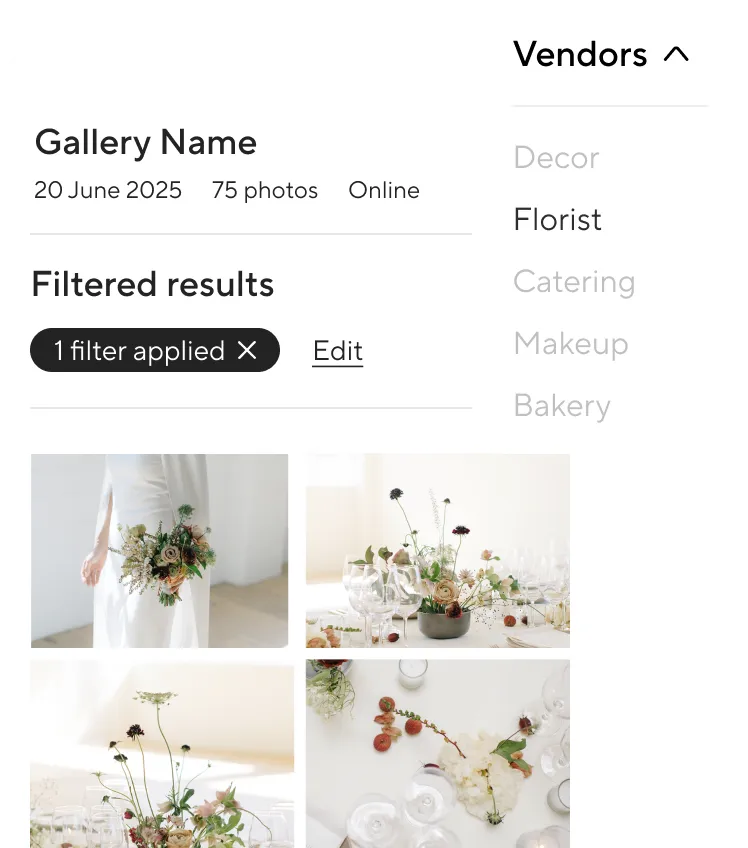
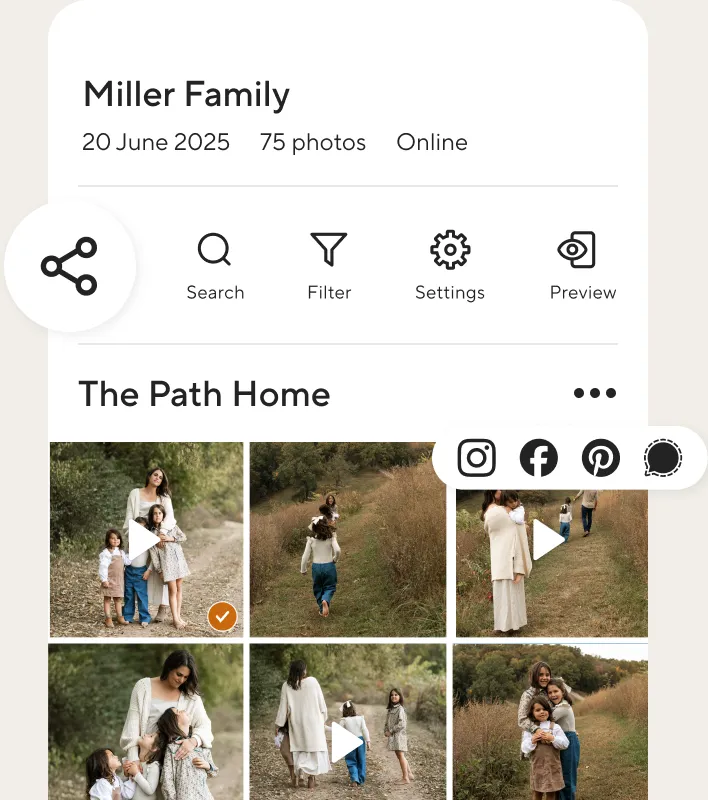
Post photos and reels instantly to social media, share engaging content on the spot, amplify the power of your photos and build your brand across every channel.
START FREEGrow your professional network from anywhere - share a vendor registration link on the go or let vendors scan a QR code right from your phone.
START FREEUnderstanding the Transgender Community and LGBTQ Culture: A Guide
Transgender culture has contributed significantly to the broader LGBTQ+ lexicon and aesthetic. The use of "chosen names" and gender-neutral pronouns (like they/them) reflects a cultural commitment to self-determination [4, 5]. Furthermore, "ball culture"—pioneered by Black and Latinx transgender individuals—gave rise to "vogueing" and specific slang that has since been adopted by mainstream pop culture, demonstrating the profound influence of trans creativity on global trends [1]. Challenges: Discrimination and Resilience shemale yum videos
Trans people didn't just join the LGBTQ+ movement – they started key moments of it. Understanding the Transgender Community and LGBTQ Culture: A
The transgender community has a rich and complex history that spans centuries. The term "transgender" was first coined in the 1960s by psychiatrist John Money, but the concept of gender nonconformity has existed for much longer. In the early 20th century, pioneers like Christine Jorgensen and Marsha P. Johnson paved the way for modern transgender rights and visibility. Ballroom culture: Originating in Harlem (1920s–60s)
The popularity of "shemale yum videos" can be seen as a reflection of the growing demand for diverse representation in media. By providing a space for transgender performers to showcase their talents and connect with audiences, these videos help to challenge traditional notions of beauty, identity, and desire.
Cultural Shifts: The community has shifted away from older, medicalized terms like "transsexual" toward "transgender" to emphasize identity and lived experience over medical diagnoses.
Introduction