RetroArch is the Swiss Army knife of emulation. It unites countless gaming consoles—from the Atari 2600 to the PlayStation 2—under a single, unified interface. However, out of the box, its default menu driver, XMB (XrossMediaBar), can feel a bit sterile, and RGUI can look positively ancient.
To search for the correct RetroArch custom themes download, you must first know which "Menu Driver" you are using. RetroArch has three primary drivers, each with its own theme format: retroarch custom themes download
Locate Assets Directory: Find your RetroArch assets folder. Common paths include: PC/Android: RetroArch/assets/ iOS: On My iPhone/RetroArch/assets/ Place Files: The Ultimate Guide to RetroArch Custom Themes Download:
I can point you toward the exact download links and file paths for your specific setup! Understanding RetroArch’s Menu System To search for the
Add Sense for Chrome works in both the build-in Sense client and in mashups using the Capabilities APIs
Charts displayed with the API through getObject and visualization.show will be tagged.
Used app(s) will be displayed in the bottom right corner.
Properties and other buttons will work just as in the client.
If your mashup shows charts from more than one app, all will be listed.
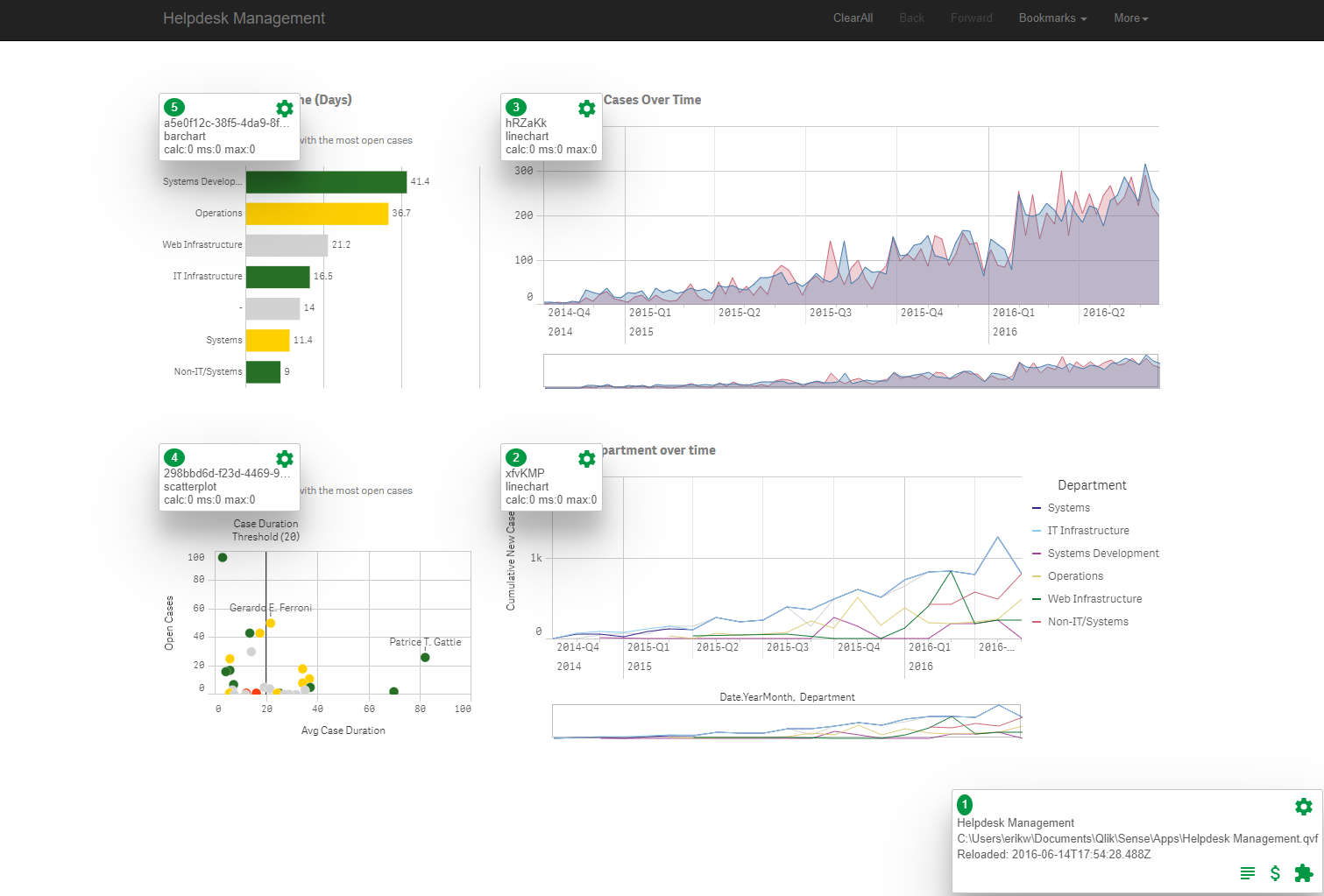
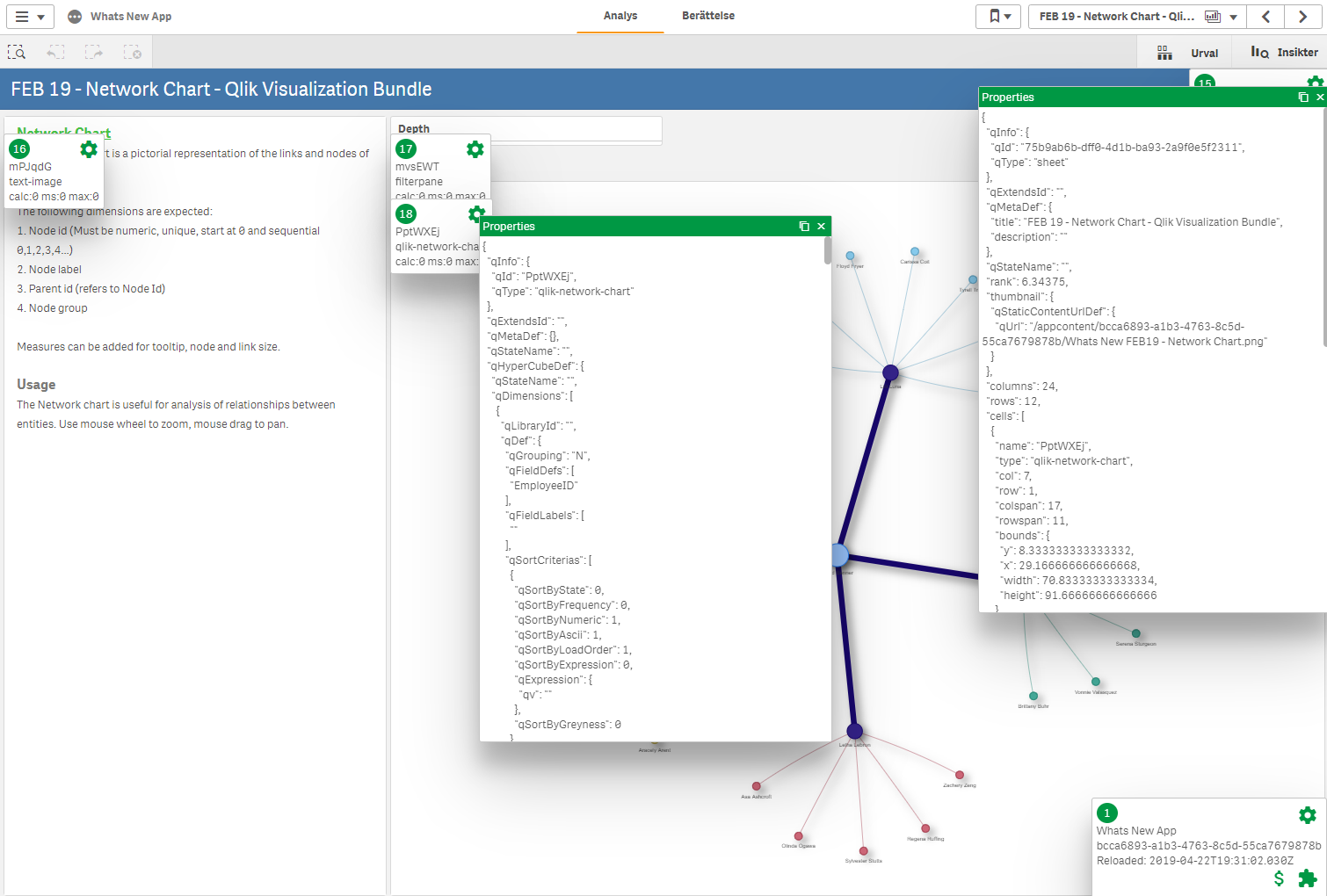
For all charts, sheets and the app you can click on the cogwheel.
That will display the properties for the object.
Use this to troubleshoot or to investigate what settings produce this chart.
You can display several objects properties at the same time, to make comparisons.
Properties can also be copied to clipboard.
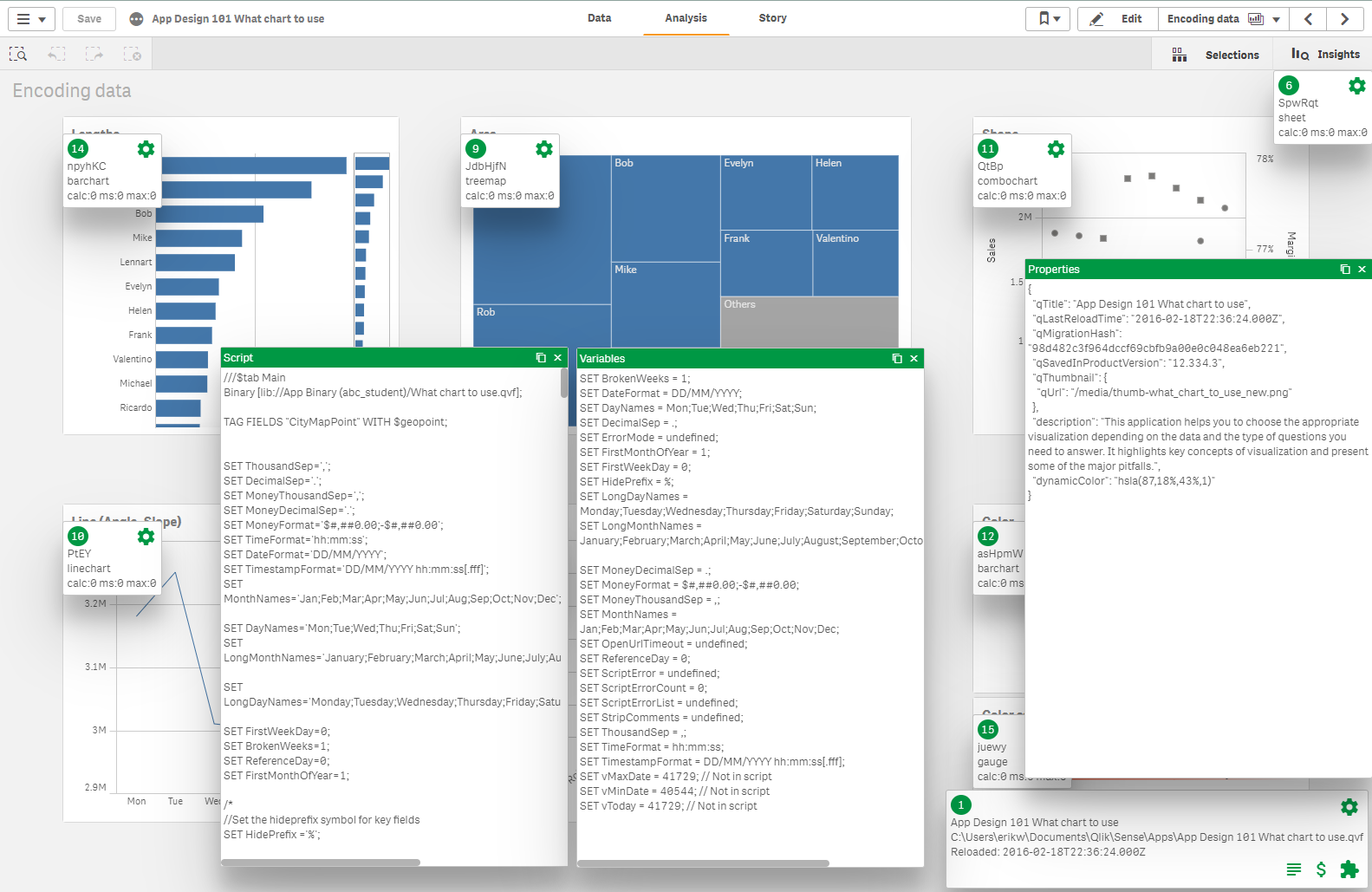
From the app box you can inspect the script, variables and app properties.
Windows can be open at the same time and moved.
You can also copy window contents, complete or partly, to the clipboard.
If you do not have access to the script the script button will not be available.
You can also easily see what extensions and charts are used in your app.
Just click on the extensions button in the app info box.
You will get a list of all axtensions and built-in charts are used in your extension, with title and sheet title
Master objects are also included.
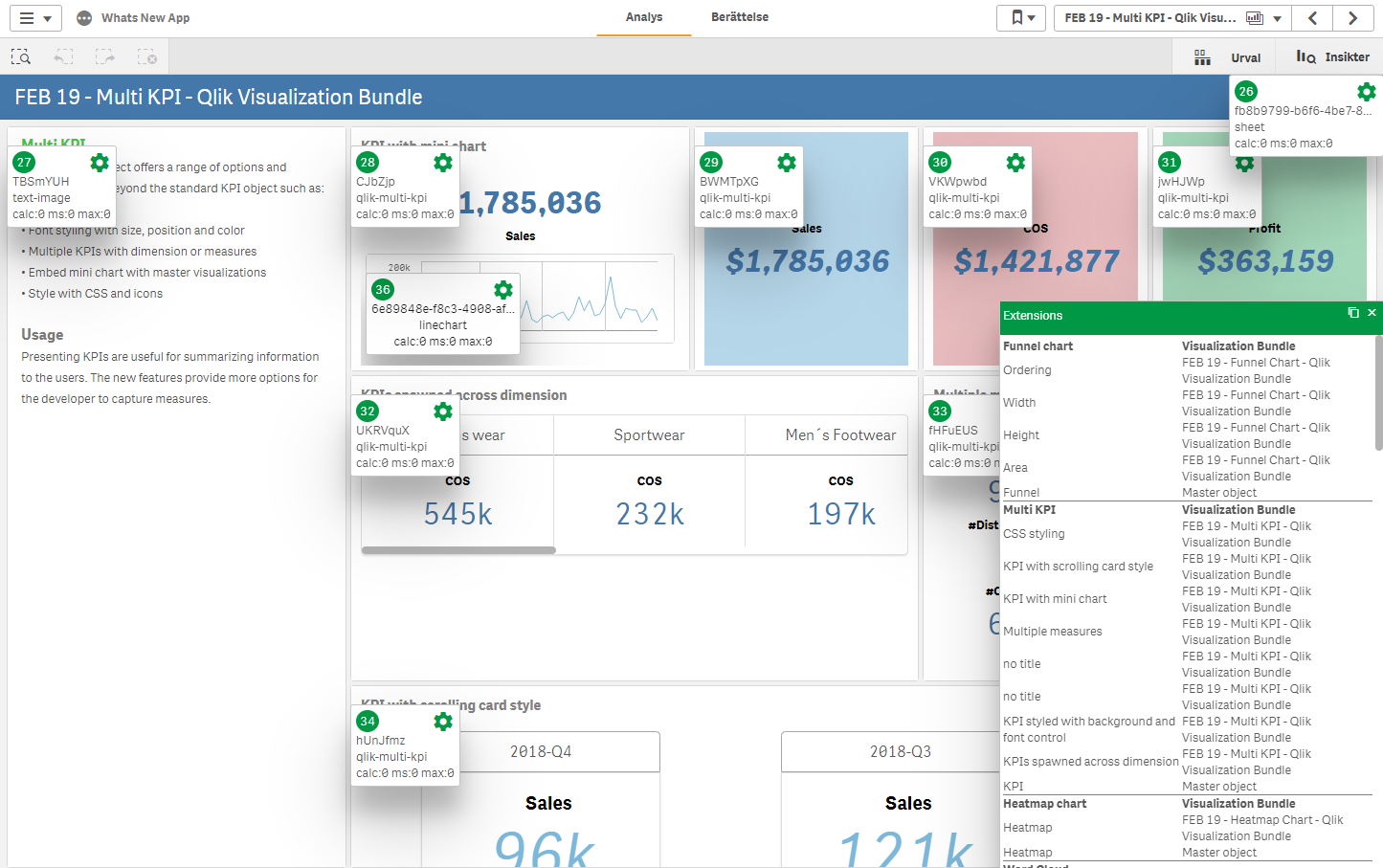
The extension can also help you find performance problems.
When you enable the extension on a page, whether it's the standard client or a mashup, it will start recording recalculation times.
Every time an object is revalidated then extension will register time elapsed for recalculation.
It will also count how many revalidations has occured.
If the object is no longer on the screen, the extension will continue to monitor recalculations, so when you re-enable it you will get all the statistics.