
Asce 113 Pdf Better ((install)) -
Why the New ASCE 113 PDF is Better for Substation Design The electrical utility industry has seen significant shifts in demand and technology over the last decade. For engineers tasked with maintaining a resilient grid, the release of the Substation Structure Design Guide, MOP 113, Second Edition (ASCE 113-23) marks a critical upgrade. While the original 2008 version served as a foundational manual, the updated ASCE 113 PDF offers enhanced methodologies that align with modern codes like ASCE 7-2016 and ACI 318-19. Key Upgrades in the Second Edition
Maintain high contrast for text and ensure that any color-coded load combination tables (e.g., Table 3-17) remain legible for users with visual impairments. 3. Integrated Tooling (Advanced Features) asce 113 pdf better
Abstract ASCE 113, Standard Quantity Symbols and Abbreviations, is a foundational document for standardizing technical communication in civil engineering. While the PDF format of this standard provides a static reference, users often seek ways to make the document "better" in terms of accessibility, integration into daily workflows, and practical application. This paper explores strategies to enhance the utility of the ASCE 113 PDF, moving it from a static reference file to a dynamic tool for engineering documentation. Why the New ASCE 113 PDF is Better
The keyword "better" is the most critical part of your query. In the world of substation structural engineering—specifically Design of Substation Structures (ASCE Manuals and Reports on Engineering Practice No. 113)—a "better" PDF is the difference between a 10-minute design check and a four-hour headache. Key Upgrades in the Second Edition Maintain high
The specific PDF editor you currently use (e.g., Bluebeam, Adobe, Nitro)
If you share these details, I can provide a step-by-step optimization guide for your specific software.
The Verdict: Invest in the Better PDF
You became a structural engineer to design resilient substations—not to wrestle with broken PDFs. A low-quality scan of ASCE 113 is a liability. It slows down your calculations, confuses your team, and fails under audit scrutiny.
There is no way Gmail offers more functionality that Outlook.
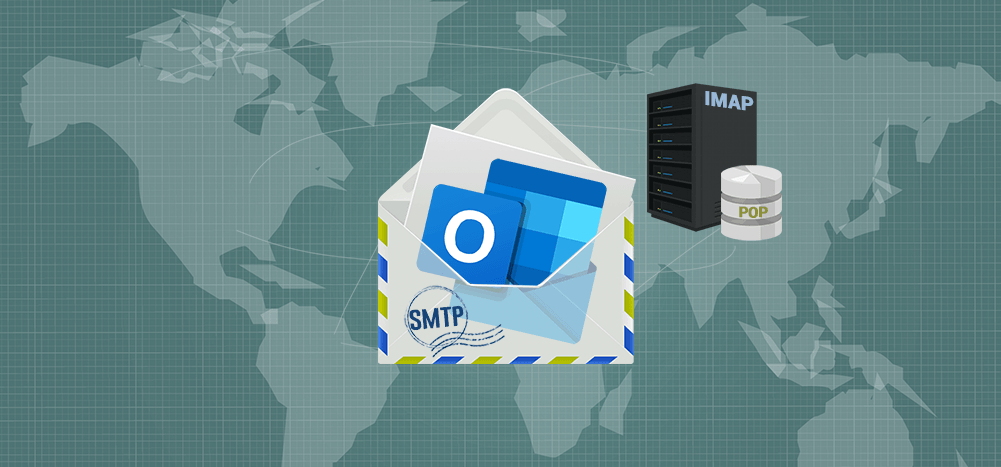
I have tried to set up an email using imap and it comes up saying we couldnt connect to the ourtgoint (SMTP) server. Please check the outgoint (SMTP) server settings and try again. Have you any suggestions how to resolve the problem?
windows live account configure in outlook 2010
please update outgoing server and port
Hi Shahir,
Those ports and server information are correct. Please refer to Microsoft’s support article that outlines the same server and ports for both SMTP and IMAP: https://support.microsoft.com/en-us/office/add-your-outlook-com-account-in-outlook-for-windows-642c1902-bdd9-4dc3-abe7-76d60b148b23#ID0EBBH=Office_2007_-_2010
not new outlook. it’s not 2025 / 2024
Hello,
I currently have a program that generates mass emails at the end of each month when sending customer invoices. The program uses Outlook as its interface for sending emails, and Outlook is configured with G‑Suite IMAP/SMTP settings.
My question is: how can GMass be utilized in this scenario, given that I am not directly connected to Gmail but only through Google’s incoming and outgoing servers? Specifically, is it possible to configure GMass to send more than 2,000 emails per day, since Google currently caps me at that number?
Thank you for your guidance.
Hello,
I currently have a program that generates mass emails at the end of each month when sending customer invoices. The program uses Outlook as its interface for sending emails, and Outlook is configured with G‑Suite IMAP/SMTP settings.
My question is: how can GMass be utilized in this scenario, given that I am not directly connected to Gmail but only through Google’s incoming and outgoing servers? Specifically, is it possible to configure GMass to send more than 2,000 emails per day, since Google currently caps me at that number?
Thank you for your guidance.
Hello,
I currently have a program that generates mass emails at the end of each month when sending customer invoices. The program uses Outlook as its interface for sending emails, and Outlook is configured with G‑Suite IMAP/SMTP settings.
My question is: how can GMass be utilized in this scenario, given that I am not directly connected to Gmail but only through Google’s incoming and outgoing servers? Specifically, is it possible to configure GMass to send more than 2,000 emails per day, since Google currently caps me at that number?
Thank you for your guidance.